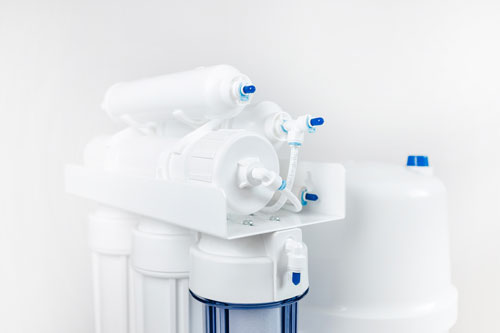
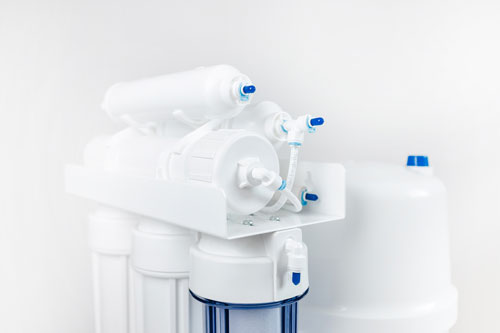
Common Reverse Osmosis Problems in 2026: Why Your System Might Be Acting Up (and How to Fix It) | Osmotics UK Guide
0%

Reverse osmosis (RO) systems remain a top choice for UK households seeking pure, great-tasting water—removing up to 99% of contaminants from chlorine to nitrates. Yet even the best systems can encounter hiccups over time, from sluggish production to unexpected drips or that annoying hum. The good news? Most issues in 2026 RO setups stem from routine causes like filter age or simple adjustments, and many are quick DIY fixes.
Optimised for searches like RO system low production fix UK, reverse osmosis leaking troubleshooting, and noisy RO pump causes, this guide walks through the most common problems, their real-world triggers, and straightforward solutions. Whether you're battling slow flow in a hard-water area or a persistent drip, we'll help you restore peak performance. Need parts or an upgrade? Shop Osmotics RO Systems & Replacement Parts Now – free UK delivery on orders over £50 and expert support included.
1. Why Is My RO System Producing So Little Water?
Low production—where your faucet trickles instead of flows—is the most frequent complaint. In 2026, with efficient membranes, expect 1-2 litres per minute from a healthy system; anything less signals a blockage or restriction.
Common Causes:
- Clogged pre-filters (sediment/carbon) – the top culprit after 6-12 months, especially in hard or sediment-heavy UK water.
- Fouled RO membrane – scaling from minerals or organics reduces output over 2-5 years.
- Low incoming pressure (<40-50 psi) – common in upper floors or rural supplies; booster pumps help.
- Depressurised storage tank – air bladder drops below 7-8 psi when empty, limiting draw-off volume.
- Faulty flow restrictor or auto shut-off valve – restricts permeate too much or fails to close properly.
Quick Fixes: Replace pre-filters first (every 6-12 months). Check tank pressure with a tyre gauge (add air if low). Flush the system or test membrane rejection. If pressure is chronically low, consider a permeate pump upgrade—many Osmotics models include them for 1:1 ratios and faster fill.
2. Dealing with Leaks – The Drip That Drives You Mad
A slow drip or puddle under the unit is alarming but rarely catastrophic. In modern quick-connect systems, leaks usually trace to fittings, O-rings, or housings rather than major failures.
Common Leak Points & Causes:
- Filter/membrane housings – worn O-rings, loose caps, or cracked bowls from overtightening.
- Quick-connect fittings – tubing not fully inserted or old/deformed inserts.
- Drain saddle or air-gap faucet – clogged drain line causes backpressure and overflow.
- Storage tank valve – loose or faulty check valve lets water seep.
- High pressure spikes – can stress connections in hard-water areas.
Solutions: Shut off feed water, dry the area, and inspect each joint. Push tubing firmly into quick-connects (hear the click). Replace O-rings (£2-5) or fittings as needed—most are standard John Guest style. For persistent issues, our leak-stop sensors add peace of mind.
3. Noisy Pumps: From Hum to Headache
Modern booster pumps are quiet, but a sudden whine, rattle, or gurgle can disrupt the kitchen. In 2026 units, noise often signals air, pressure issues, or wear rather than outright failure.
Typical Noises & Triggers:
- High-pitched whine/squeal – air trapped in check valve or pump bearings wearing (common post-install or after filter change).
- Gurgling/bubbling – air in lines, restricted drain, or low tank pressure causing cavitation.
- Rattling/grinding – debris in pump impeller or loose mounting; rare but indicates need for service.
- Constant hum/vibration – low inlet pressure forcing pump to overwork.
Remedies: Purge air by running the system with faucet open. Check inlet pressure (40+ psi ideal). Tighten mounts or replace pump if bearings fail (lifespan 3-5 years with heavy use). Many Osmotics systems feature silent, high-efficiency pumps with built-in diagnostics.
4. A Few Prevention Tips to Keep Things Smooth
Proactive care prevents 90% of issues and extends your RO lifespan to 10+ years. Simple habits make the difference:
- Change filters on schedule: Pre-filters every 6-12 months; membrane 2-5 years depending on TDS and usage.
- Sanitise annually: Use approved solution to kill bacteria—especially important in warmer months.
- Monitor pressure & TDS: Use a gauge and meter (£15-30) to catch problems early.
- Flush regularly: Run water for 1-2 minutes after periods of non-use to clear stagnant lines.
- Inspect fittings quarterly: Tighten connections and replace O-rings proactively.
Our maintenance kits bundle everything needed—filters, sanitiser, and tools—for hassle-free upkeep.
Frequently Asked Questions: RO Troubleshooting Essentials
Pre-filters: 6-12 months; membrane: 2-5 years; post-filter: annually—track with usage and TDS tests.
Usually not—often air or low pressure—but persistent grinding means inspect or replace to avoid damage.
Small drips rarely do, but address quickly; many systems now include auto shut-off or leak detectors.
Filter/membrane fouling—regular changes restore full flow; hard water accelerates this.
Trouble-Free RO Starts Here
Most RO problems are straightforward to solve with the right parts and routine care. Don't let a drip or slow flow spoil your pure water—equip yourself with quality replacements or upgrade to a more reliable system.
Conclusion: Keep Your RO Running Smoothly in 2026
From low production to leaks and noisy pumps, common RO issues are almost always fixable with basic troubleshooting and timely maintenance. In 2026, with efficient membranes and smart diagnostics in newer models, your system can deliver reliable pure water for years. Osmotics stocks genuine parts and expert-backed systems to make upkeep effortless.
Need help diagnosing? Comment below or contact [email protected]. Subscribe for troubleshooting tips and exclusive deals!