

Why a Dentist Autoclave Supply Needs Careful Consideration: RO Systems Done Right | Osmotics UK Guide 2026
0%

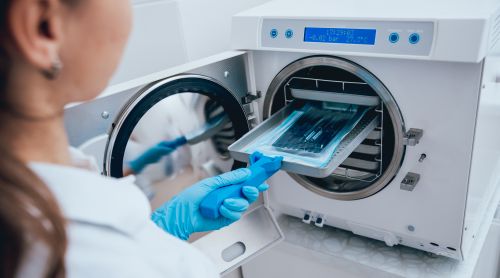
In dental practices across the UK, autoclaves are essential for sterilising instruments and ensuring patient safety in line with HTM 01-05 guidelines. High-purity water is critical — low in minerals, scale-forming ions and bacteria to prevent corrosion, spotting and instrument damage. Many practices turn to reverse osmosis (RO) for cost-effective, on-demand pure water. However, simply connecting a standard domestic RO unit directly to an autoclave often leads to frustration, inconsistent performance and even costly repairs.
This guide explains why autoclave water supply requires careful planning, highlights the most common pitfalls when using RO without proper setup, and shares proven solutions like booster pumps, pressure tanks and UV treatment. At Osmotics, we specialise in dental-grade RO systems designed specifically for busy practices. Ready to get it right first time? Shop Osmotics Dental RO Systems Now — with free UK delivery on orders over £200 and expert advice for autoclave compatibility.
Why Autoclave Water Supply Needs Careful Consideration
Autoclaves demand consistent, high-purity water (typically <10–15 ppm TDS and low conductivity) delivered at reliable pressure and flow during multiple daily cycles. HTM 01-05 and manufacturer guidelines stress the importance of water quality to avoid scale, corrosion and compromised sterilisation. RO is excellent at producing this purity, but standard home RO units are designed for low, intermittent demand — not the stop-start, higher-volume needs of a dental autoclave.
When the setup is overlooked, practices often face reduced sterilisation reliability, increased maintenance costs and downtime — issues that can be completely avoided with the right configuration.
Common Problems When Connecting RO Directly to an Autoclave
Here are the most frequent issues reported by UK dental practices that connect a standard RO unit without additional components:
- Insufficient Flow Rate & Pressure: Most domestic RO systems produce only 0.1–0.3 litres per minute. Autoclaves often require faster fill rates during cycles. The result? Slow or incomplete fills, error codes and extended cycle times.
- Frequent Stop-Start Operation: Autoclaves draw water in bursts. Standard RO pumps and membranes aren’t built for rapid on/off cycling — leading to premature pump failure, membrane stress and reduced lifespan (sometimes dropping from 3–5 years to under 18 months).
- TDS Creep on First Use: When the system sits idle overnight or between patients, concentrated water can diffuse back across the membrane (TDS creep). The first cycle may deliver water with elevated TDS, risking scale or spotting on instruments.
- Bacterial Growth in Lines: Without UV sterilisation or proper flushing, stagnant water in tubing can harbour bacteria — a major concern for infection control compliance.
Proven Solutions: Build a Reliable Autoclave Water Supply
The good news is these problems are easily solved with the right components. Here’s what works best for UK dental practices:
| Solution | Benefit | Osmotics Link |
|---|---|---|
| Booster Pump | Increases pressure & flow for consistent delivery | View Booster-Equipped Systems |
| Pressure / Buffer Tank | Stores pure water on demand and eliminates stop-start stress & TDS creep | Shop Pressure Tanks & Buffer Tanks |
| UV Lamp (Post-RO) | Kills bacteria in lines for sterile water | Shop UV Sterilisation Systems |
Many practices achieve the best results with a dedicated dental RO system featuring integrated storage, booster pump and UV — delivering reliable, high-purity water exactly when needed.
Frequently Asked Questions: RO for Dental Autoclaves
Not recommended. Standard domestic RO lacks the flow, pressure buffering and sterility features needed for reliable autoclave performance.
Low mineral content (typically <10–15 ppm TDS) to prevent scale and corrosion — easily achieved with properly configured RO.
Use a pressure/buffer tank and auto-flush features so fresh water is always available and the membrane doesn’t sit idle.
Highly recommended — it ensures bacteria-free water in the lines, supporting infection control compliance.
Get Your Autoclave Supply Right First Time
A well-designed RO supply for your dental autoclave prevents downtime, protects expensive equipment and ensures consistent sterilisation. Don’t risk common pitfalls — choose components engineered for professional dental use.
Conclusion: Reliable Pure Water for Your Practice
Connecting a standard RO unit directly to a dental autoclave is one of the most common — and easily avoided — mistakes in practice water management. With careful planning, the right pressure tanks, booster pumps and UV systems, you can enjoy consistent, high-purity water that protects your instruments and supports compliance. Osmotics specialises in tailored RO solutions for UK dental practices — from simple booster additions to complete turnkey systems.
Need help designing your setup? Comment below or contact our dental specialist team at [email protected]. Subscribe for dental water tips and exclusive practice offers!
