Reverse Osmosis System Efficiency in 2026: How to Measure, Improve and Optimise Your RO Performance | Osmotics UK Guide
0%
Reverse osmosis systems are an effective way to produce high-purity water for drinking, aquariums, dental surgeries, car detailing and other applications across the UK. System efficiency determines how much pure water you get from your incoming supply, how much wastewater is produced, and the overall running costs.
Understanding and optimising RO efficiency helps reduce water waste, lower energy use and extend the life of your membrane. This updated 2026 guide explains the key metrics, how to measure them and practical ways to improve performance. Optimised for searches such as reverse osmosis efficiency UK, RO system recovery rate, improve RO membrane performance and RO waste water ratio.
Looking for an efficient drinking water RO system? Explore Osmotics Drinking Water RO Systems or the high-capacity Pentair PRF RO System – both designed for excellent efficiency and reliable UK performance.
Key Efficiency Metrics for RO Systems
Two primary measurements help assess efficiency:
1. Recovery Rate
This is the percentage of feed water converted into pure product water.
Formula: Recovery Rate (%) = (Product Water Flow Rate / Feed Water Flow Rate) × 100
Typical domestic systems achieve 25–50% recovery. Higher recovery reduces wastewater but can increase the risk of membrane scaling in hard UK water areas.
2. Salt (TDS) Rejection Rate
This measures how effectively the membrane removes dissolved solids.
Formula: Rejection Rate (%) = [1 – (Product TDS / Feed TDS)] × 100
Modern RO membranes commonly achieve 95–99% rejection when new and properly maintained.
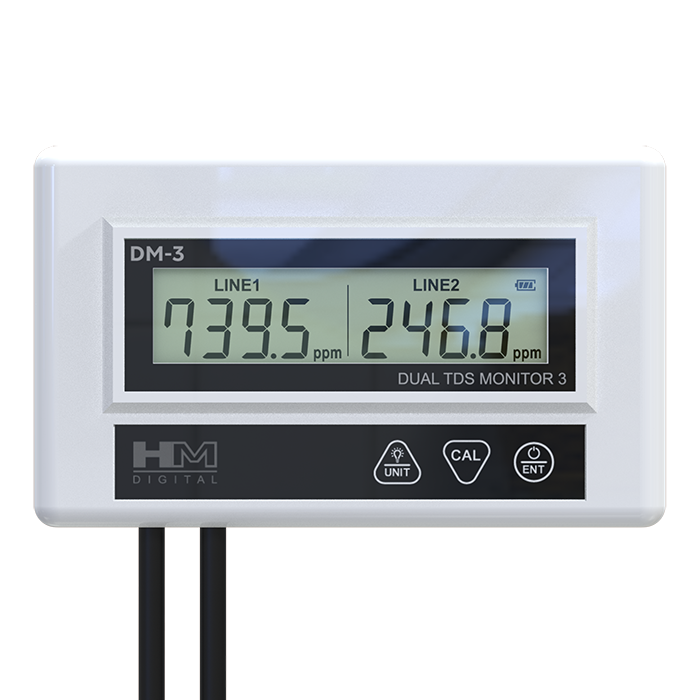
Pro Tip: Use a reliable handheld TDS meter to monitor both feed and product water. A simple weekly check helps catch efficiency drops early.
Factors Affecting RO System Efficiency
Several common issues can reduce performance in UK installations:
- Low incoming water pressure – ideal range is 40–60 psi; below this, production slows and efficiency drops.
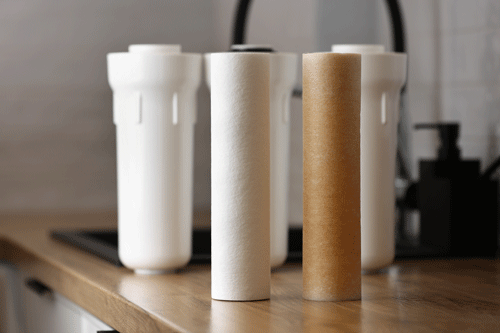
- Clogged pre-filters – sediment and carbon filters should be changed every 6–12 months.
- Membrane fouling or scaling – especially in hard-water regions.
- Temperature – colder UK mains water in winter reduces efficiency.
- High TDS source water – common in many parts of the South East.
Practical Ways to Improve and Maintain Efficiency
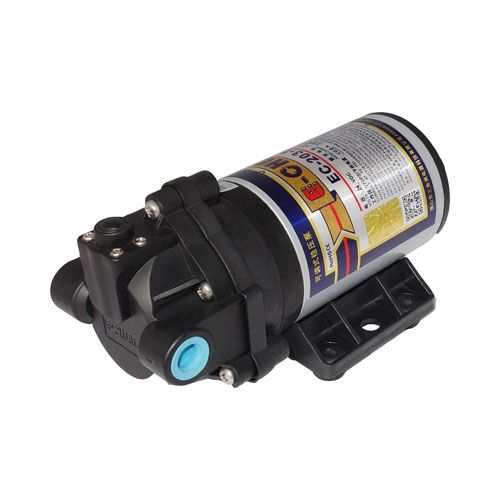
- Install a booster pump if inlet pressure is consistently low.
- Replace pre-filters on schedule to protect the membrane.
- Monitor and replace the RO membrane every 2–3 years (or when rejection falls below 90–92%).
- Consider a permeate pump or advanced flow restrictor for better recovery ratios.
- Use pretreatment where source water is particularly challenging.
Osmotics systems are selected for strong real-world efficiency under typical UK water conditions.
Understanding Waste Water Ratios
All RO systems produce some wastewater (concentrate). Modern efficient domestic units often run at 1:1 to 1:3 ratios (pure water to waste). Newer designs and accessories such as permeate pumps can bring this closer to 1:1, significantly reducing water usage and costs.
Frequently Asked Questions
What is a good recovery rate for a home RO system?
25–50% is typical for standard systems. Higher rates are possible with optimised setups but require good maintenance to avoid scaling.
How can I check my RO system efficiency?
Measure feed and product TDS with a meter, along with simple flow rate checks. Track changes over time.
Does a booster pump improve efficiency?
Yes. It increases production rate and membrane performance, especially in low-pressure properties common in the UK.
How often should I replace the RO membrane for best efficiency?
Every 2–3 years for most households, or sooner in hard water areas. Regular pre-filter changes extend membrane life.
Optimised Efficiency for Reliable Pure Water
Understanding and actively managing your RO system’s efficiency leads to lower running costs, less waste and consistently high-purity water.
By measuring recovery and rejection rates, addressing common performance issues and following a regular maintenance schedule, you can keep your reverse osmosis system operating efficiently for years. This delivers better value, reduces environmental impact and ensures reliable pure water for drinking, aquariums, dental practices and specialist uses.
Osmotics offers practical, efficient drinking water RO solutions suited to UK conditions. Explore our standard systems or the high-performance Pentair PRF RO System for demanding applications.
Need help calculating or improving your system’s efficiency? Comment below or contact [email protected] for expert advice.
Subscribe for more practical water filtration guides and efficiency tips.