Reverse Osmosis Troubleshooting Tips 2026: Fix Low Flow, Leaks, Noisy Pumps & More | Osmotics UK Guide
0%
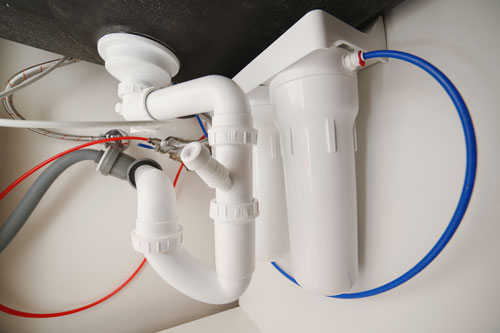
Reverse osmosis systems deliver reliable high-purity water for drinking, aquariums, dental surgeries, car detailing and many other UK applications. However, even the best RO units can develop common issues over time such as reduced flow, leaks or unusual pump noise. The good news is that most problems are straightforward to diagnose and fix with basic maintenance and genuine replacement parts.
This updated 2026 troubleshooting guide covers the most frequent reverse osmosis issues reported by UK users and provides practical, step-by-step solutions. Optimised for searches including reverse osmosis troubleshooting UK, RO system low pressure fix, reverse osmosis leaking and RO maintenance tips 2026.
Need filters, membranes or accessories? Shop Osmotics RO Replacement Parts – fast UK delivery and expert support included.
1. Low Water Production or Reduced Flow
One of the most common complaints is slower-than-expected output. A healthy domestic RO system should typically deliver 1–2 litres per minute when the tank is full.
Common Causes:
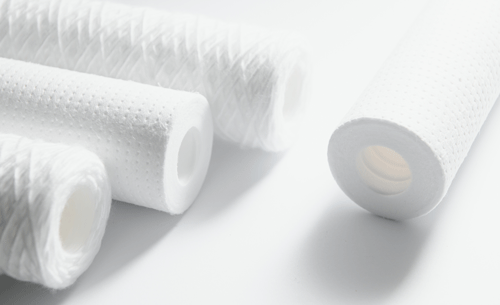
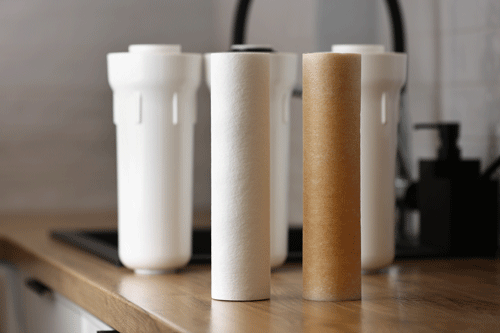
- Clogged pre-filters (sediment or carbon) after 6–12 months of use.
- Fouled RO membrane due to scaling or organics (especially in hard-water areas).
- Low incoming water pressure (ideally 40–60 psi).
- Depressurised storage tank or faulty flow restrictor.
Solutions: Replace pre-filters first. Check tank pressure with a tyre gauge (aim for 7–8 psi when empty). Consider a booster pump for consistent performance in low-pressure homes. Most Osmotics systems support easy upgrades.
Pro Tip: Changing pre-filters every 6–12 months prevents the majority of low-flow issues and protects your RO membrane.
2. Leaks from Fittings and Connections
Small drips under the unit are common but rarely serious in modern quick-connect systems.
Typical Causes:
- Worn O-rings in filter housings.
- Loose or improperly seated quick-connect fittings.
- Clogged drain line causing backpressure.
- Faulty check valve on the storage tank.
Fixes: Shut off the feed water, inspect each connection and push tubing fully into quick-connects until it clicks. Replace O-rings or fittings as needed – standard John Guest parts are inexpensive and widely compatible.
"A persistent drip was just a worn O-ring. Replaced it in minutes with parts from Osmotics and the system has been dry since." – David, Birmingham.
3. Noisy Booster Pump
Modern pumps are quiet, but sudden whining, humming or gurgling usually indicates air, pressure issues or wear.
Common Triggers:
- Air trapped in the system after filter changes.
- Low inlet pressure causing the pump to work harder.
- Loose mounting or worn bearings (typical lifespan 3–5 years).
Remedies: Flush the system thoroughly. Check inlet pressure and tighten mounts. Replace the pump only if noise persists. Osmotics offers efficient, low-noise pump options.
4. Check and Replace the RO Membrane
A degraded membrane reduces purity and output. Inspect for visible damage or test rejection rate using a TDS meter.
Replace the membrane every 2–3 years (or sooner in hard water). A sudden drop in rejection rate below 90–92% is a clear sign it needs changing.
5. Sanitise the System Regularly
Bacteria or biofilm build-up can affect taste and long-term performance. Sanitise annually using an approved solution, especially in warmer months.
Combine this with routine filter changes for best results. Osmotics maintenance kits include sanitiser and all necessary items.
Additional Prevention Tips for Reliable Performance
- Monitor incoming pressure and TDS levels regularly.
- Flush the system for 1–2 minutes after periods of non-use.
- Inspect all fittings and O-rings quarterly.
- Use genuine replacement parts to maintain warranty and performance.
Frequently Asked Questions
How often should I replace RO filters and membrane?
Pre-filters every 6–12 months; RO membrane every 2–3 years depending on source water quality and usage.
What causes low pressure in my RO system?
Clogged filters, low tank pressure or inadequate inlet pressure are the usual culprits. Start with filter replacement.
Is a small leak under the unit serious?
Usually not if addressed promptly – most are simple O-ring or fitting issues.
How do I know if my RO membrane needs replacing?
Use a TDS meter. A significant drop in rejection rate or visible fouling indicates replacement is needed.
Keep Your RO System Running Smoothly
Regular troubleshooting and maintenance will extend the life of your reverse osmosis system and ensure consistent pure water production.
Effective Reverse Osmosis Troubleshooting in 2026
Most RO issues – from low flow and leaks to noisy pumps – can be resolved quickly with basic checks and timely part replacements. By following these reverse osmosis troubleshooting tips and maintaining a regular schedule, your system will continue to deliver high-quality water for drinking, aquariums, dental practices, car detailing and other specialist uses.
Osmotics provides a complete range of genuine replacement filters, membranes, pumps and accessories backed by expert UK support. If you need help diagnosing a specific issue, contact [email protected] or leave a comment below.
Subscribe for more practical water filtration guides and maintenance advice.