

Understanding High and Low Pressure Switches in Reverse Osmosis Systems: A Complete Guide
0%
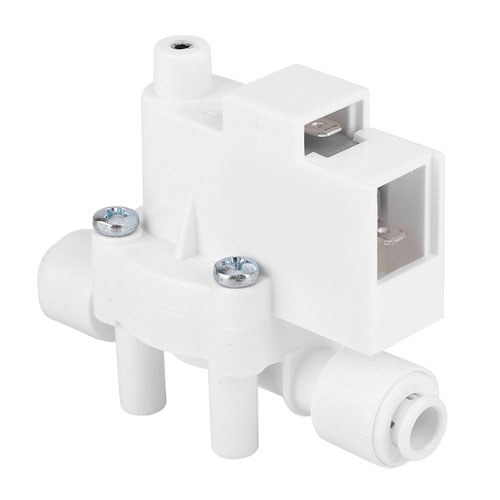
Pressure switches play a crucial role in protecting your reverse osmosis (RO) system and ensuring optimal water purification performance. In this comprehensive guide, we'll explore how these essential components work and why they're vital for your RO system's longevity.
What Are Pressure Switches in RO Systems?
Pressure switches are safety devices that monitor water pressure throughout the reverse osmosis process. They act as guardians of your system, preventing damage and ensuring efficient operation by automatically responding to pressure changes.
Low Pressure Switches: Your First Line of Defense
Low pressure switches serve as sentinels at the beginning of your RO system. These vital components:
How They Work
The low pressure switch monitors incoming water pressure, typically requiring a minimum of 30-40 PSI to operate. When pressure drops below this threshold, the switch activates, shutting down the system's booster pump to prevent damage.
Key Benefits
- Protects the pump from running dry
- Prevents membrane damage due to insufficient water flow
- Extends system lifespan by avoiding low-pressure operation
- Reduces maintenance costs and downtime
High Pressure Switches: Protecting Against Excessive Force
High pressure switches operate at the other end of the spectrum, guarding against dangerous pressure buildup within the system.
Operation Principles
These switches monitor pressure on the membrane and post-filtration side of your RO system. When pressure exceeds safe levels (typically around 80-100 PSI), they trigger a shutdown to protect system components.
Critical Functions
- Prevents membrane rupture from excessive pressure
- Protects storage tanks from overpressurization
- Ensures consistent water quality by maintaining optimal pressure ranges
- Alerts users to potential system blockages
Installation and Maintenance Tips
To ensure optimal performance of your pressure switches:
- Install switches in easily accessible locations for regular inspection
- Check switch settings during routine maintenance
- Clean switch contact points annually
- Replace switches showing signs of wear or inconsistent operation
Troubleshooting Common Issues
Low Pressure Switch Problems
- Frequent shutoffs might indicate clogged pre-filters
- Switch may need adjustment if system shuts down despite adequate pressure
- Check for leaks if pressure consistently drops
High Pressure Switch Concerns
- Regular high-pressure shutoffs could signal membrane fouling
- Verify drain line isn't restricted
- Ensure storage tank air pressure is correctly set
Choosing the Right Pressure Switches
When selecting pressure switches for your RO system, consider:
- System size and flow rate requirements
- Operating pressure range needs
- Environmental conditions
- Quality and durability of components
- Warranty and manufacturer support
Conclusion
Pressure switches are fundamental to the safe and efficient operation of your reverse osmosis system. Understanding their function and maintaining them properly will ensure your system provides clean, safe water while protecting your investment from damage.Remember: Regular maintenance and prompt attention to pressure switch warnings will significantly extend the life of your RO system and maintain optimal water quality.
