water filtration

Learn how water filtration works to eliminate contaminants for healthier drinking water. Compare types like carbon, sediment, and advanced systems for your home.
Drinking Water Contaminants and Their Control with Reverse Osmosis Water Treatment

Drinking Water Contaminants and Their Control with Reverse Osmosis Water Treatment

Clean and safe drinking water is essential for maintaining good health. However, water sources are susceptible to various contaminants that can adversely affect human well-being. In this blog post, we will explore common drinking water contaminants and discuss how reverse osmosis (RO) water treatment can effectively eliminate them, providing you with pure and healthy drinking water.

Understanding Drinking Water Contaminants

      1. Heavy Metals: Heavy metals like lead, arsenic, mercury, and cadmium can seep into the water supply through natural deposits, industrial discharges, or aging infrastructure. Prolonged exposure to these contaminants can lead to serious health issues, including neurological damage, organ failure, and developmental problems.

      2. Microorganisms: Bacteria, viruses, and parasites pose significant risks to public health. They can...

Read more
How does Reverse Osmosis work?

How does Reverse Osmosis work?

Reverse osmosis (RO) has gained immense popularity as an effective water purification method, capable of removing impurities and providing clean, safe drinking water. But have you ever wondered how reverse osmosis actually works? In this blog post, we will unravel the mystery behind reverse osmosis and delve into the fascinating science that powers this remarkable process.

Reverse osmosis is a water treatment technique that employs the principles of osmosis to purify water. Osmosis is a natural process in which solvent molecules, such as water, move from an area of lower solute concentration to an area of higher solute concentration through a semi-permeable membrane. This movement aims to equalize the concentration on both sides of the membrane.

However, reverse osmosis flips this natural process on its head. It applies external pressure to force water molecules through a specialized membrane, leaving behind a majority of impurities. The semi-permeable membrane used in reverse...

Read more
Clean and Pure: Removing Heavy Metals with Reverse Osmosis Filters

Clean and Pure: Removing Heavy Metals with Reverse Osmosis Filters

Access to clean and safe drinking water is essential for maintaining our health and well-being. Unfortunately, water sources can sometimes be contaminated with heavy metals, which pose significant health risks when consumed. However, there is a solution: reverse osmosis filters. In this blog post, we will explore how reverse osmosis filters can effectively remove heavy metals from water, ensuring clean and pure drinking water for you and your family...

Read more
Boost Your Reverse Osmosis System with a Booster Pump

Boost Your Reverse Osmosis System with a Booster Pump

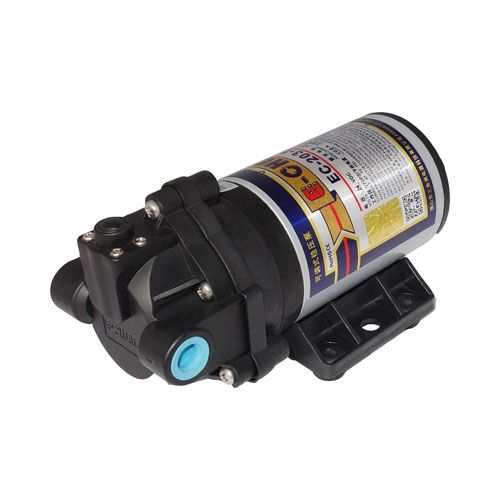
Reverse osmosis (RO) is one of the most effective methods of water filtration available today. This process involves removing impurities from water by forcing it through a semipermeable membrane. However, to maximize the effectiveness of an RO system, a booster pump is often necessary. In this blog post, we'll explore the benefits of adding a booster pump to your reverse osmosis system...

Read more
How Reverse Osmosis Systems Remove Fluoride from Water

How Reverse Osmosis Systems Remove Fluoride from Water

Fluoride is a common chemical that is added to many domestic water supplies in the United Kingdom and other nations to prevent tooth decay. While this addition may be helpful for dental health, many people are concerned about the long-term effects of fluoride exposure. Reverse osmosis systems are one way to remove fluoride from drinking water, providing a safer and healthier option for you and your family...

Read more
Posts loader
To Top