Pure Water Blog

Can RO Water Be Used for a Fish Tank? A Comprehensive Guide

Can RO Water Be Used for a Fish Tank? A Comprehensive Guide

Providing a healthy environment for your aquatic friends is crucial for their well-being. One aspect of maintaining a fish tank involves using the right type of water. Reverse osmosis (RO) water is a popular choice among fish tank enthusiasts due to its purity and ability to remove impurities. In this blog post, we will explore the benefits and considerations of using RO water for your fish tank. Let's dive in!

  1. Understanding Reverse Osmosis (RO) Water

Reverse osmosis is a water purification process that removes contaminants, particles, and impurities by applying pressure to force water molecules through a semipermeable membrane. This filtration method effectively removes harmful substances such as chlorine, heavy metals, nitrates, and phosphates, resulting in clean and pure water.

  1. Advantages of Using RO Water for Fish Tanks

2.1. Purity and Consistency: RO water is free from harmful substances, making it an ideal choice...


Read more
Drinking Water Contaminants and Their Control with Reverse Osmosis Water Treatment

Drinking Water Contaminants and Their Control with Reverse Osmosis Water Treatment

Clean and safe drinking water is essential for maintaining good health. However, water sources are susceptible to various contaminants that can adversely affect human well-being. In this blog post, we will explore common drinking water contaminants and discuss how reverse osmosis (RO) water treatment can effectively eliminate them, providing you with pure and healthy drinking water.

Understanding Drinking Water Contaminants

      1. Heavy Metals: Heavy metals like lead, arsenic, mercury, and cadmium can seep into the water supply through natural deposits, industrial discharges, or aging infrastructure. Prolonged exposure to these contaminants can lead to serious health issues, including neurological damage, organ failure, and developmental problems.

      2. Microorganisms: Bacteria, viruses, and parasites pose significant risks to public health. They can...

Read more
Tap Water vs. RO Water: Unveiling the Truth and Making an Informed Choice

Tap Water vs. RO Water: Unveiling the Truth and Making an Informed Choice

When it comes to staying hydrated, the choice of water is crucial. With numerous options available, it's important to understand the differences between them to make an informed decision. In this article, we'll delve into the debate of tap water versus reverse osmosis (RO) water, exploring their characteristics, benefits, and potential drawbacks. By the end, you'll have a clearer understanding of which option suits your needs best.

Understanding Tap Water

Tap water is the most accessible and widely used water source in many households. It is generally sourced from natural resources like rivers, lakes, and underground wells. Before it reaches our taps, it undergoes a treatment process to remove impurities and contaminants, making it safe for consumption.

Advantages of Tap Water

  1. Cost-effective: Tap water is significantly more affordable than purchasing bottled water or investing in a reverse osmosis system.
  2. Essential...
Read more
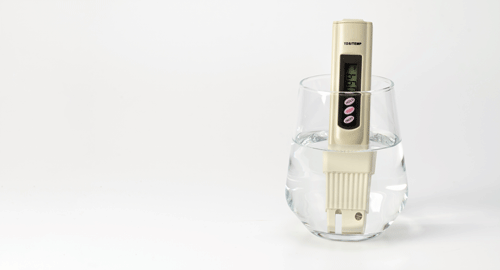
Achieving Precision and Accuracy: TDS Calibration Solutions Explained

Achieving Precision and Accuracy: TDS Calibration Solutions Explained

Accurate measurements are crucial in various industries, particularly when it comes to water quality analysis. Total Dissolved Solids (TDS) is an important parameter that helps determine the concentration of dissolved substances in water. To ensure precise and reliable TDS measurements, calibration solutions play a vital role. In this blog post, we will delve into TDS calibration solutions, their significance, and how they contribute to maintaining accuracy in water quality analysis.

  1. Understanding TDS Calibration

TDS calibration is the process of verifying and adjusting the measurement accuracy of TDS meters or probes. It involves the use of calibration solutions, which are specifically designed to mimic known TDS levels. By comparing the readings of the meter or probe against the known TDS values, the calibration process helps ensure the accuracy and reliability of subsequent TDS measurements.

  1. Importance of TDS Calibration Solutions...
Read more
Does Reverse Osmosis Remove Hormones and Steroids? Unraveling the Truth

Does Reverse Osmosis Remove Hormones and Steroids? Unraveling the Truth

In an era where water contamination is a growing concern, ensuring the purity and safety of our drinking water is crucial. Reverse osmosis (RO) is a popular water purification method known for its effectiveness in removing various contaminants. However, when it comes to hormones and steroids, there are some important considerations to explore. In this blog post, we will delve into the topic of whether reverse osmosis can effectively remove hormones and steroids from water.

Understanding Hormones and Steroids in Water

Before we delve into reverse osmosis, it's essential to understand how hormones and steroids can enter our water supply. Hormones are naturally occurring chemicals produced by living organisms, including humans and animals. Steroids, on the other hand, are synthetic compounds used in various pharmaceuticals, as well as naturally occurring compounds found in plants and animals. Both hormones and steroids can end up in water sources through various...

Read more
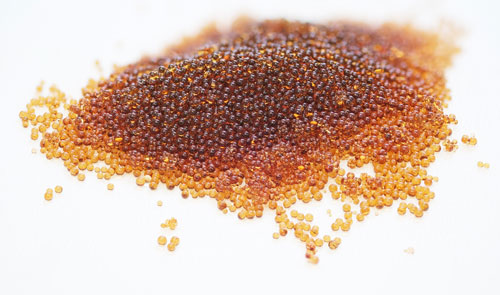
Understanding and Managing Increased TDS from Deionisation Resin

Understanding and Managing Increased TDS from Deionisation Resin

Deionisation (DI) is a widely used water purification method that employs ion-exchange resin to remove impurities. However, one common challenge faced by users of deionisation systems is an unexpected increase in Total Dissolved Solids (TDS) levels. In this blog post, we will explore the reasons behind the increase in TDS from deionization resin and discuss effective strategies to manage and mitigate this issue.

Why Does TDS from Deionization Resin Increase?

  1. Exhausted Resin:

Over time, the ion-exchange resin used in deionisation systems becomes exhausted due to the accumulation of impurities. As the resin reaches its capacity to exchange ions, it becomes less effective in removing contaminants, leading to an increase in TDS levels. This issue typically occurs when the resin bed is not replaced at the appropriate intervals.

  1. Contaminated Source Water:

Another factor that can contribute to the...

Read more
Posts loader
To Top