

Anion vs Cation Resins Explained: Differences, Uses & Osmotics Product Guide 2026
0%
In the realm of water treatment, ion exchange resins stand as unsung heroes, quietly transforming hard, impure water into soft, pristine supplies for homes, labs, and industries. But with two primary types—cation and anion resins—understanding their differences is key to selecting the right solution for your needs. Are you battling limescale in your kettle or seeking ultra-pure water for aquariums? This guide demystifies anion vs cation resins, exploring their unique roles, applications, and why Osmotics' premium range delivers unmatched reliability.
Optimised for queries like ion exchange resins explained, water softening resin uses, and deionisation resin UK, we'll break down the science, highlight practical uses, and showcase our handpicked products in a handy comparison table. Whether you're maintaining a domestic softener or upgrading an RO system, these resins ensure efficiency and longevity. Ready to purify smarter? Shop Osmotics Resins for Water Treatment Now, plus expert advice for seamless integration.
The Fundamentals: What Are Cation and Anion Resins?
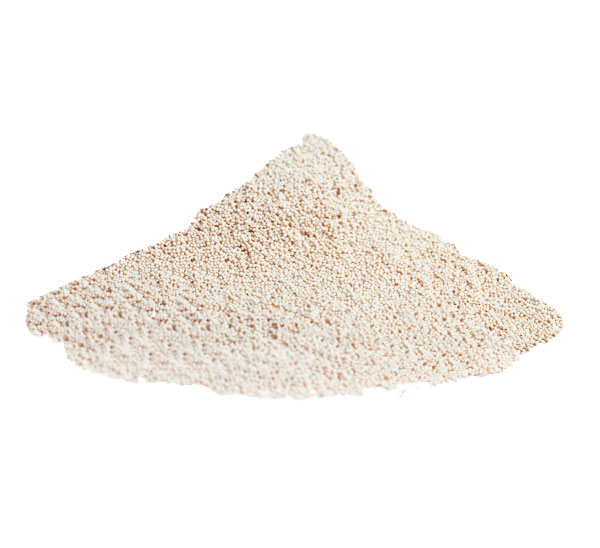
Ion exchange resins are polymeric beads engineered to selectively capture ions from water through electrostatic attraction, effectively 'swapping' them for harmless alternatives. This process, akin to a molecular trade, underpins everything from water softening to demineralisation.
Cation Resins: These target positively charged ions (cations) like calcium (Ca²⁺), magnesium (Mg²⁺), and heavy metals such as iron or lead. Functionalised with negatively charged sulphonic acid groups (-SO₃H), they release hydrogen ions (H⁺) in exchange, preventing scale buildup and metallic tastes. Ideal for hardness removal, cation resins are the backbone of traditional water softeners.
Anion Resins: Conversely, these attract negatively charged ions (anions) including chlorides (Cl⁻), sulphates (SO₄²⁻), nitrates (NO₃⁻), and silicates (SiO₄⁴⁻). With positively charged quaternary ammonium groups (e.g., -N⁺(CH₃)₃), they release hydroxide ions (OH⁻), neutralising acids and polishing water to high purity. Anion resins shine in deionisation, removing bitter or corrosive anions.
The interplay? In two-bed systems, cation precedes anion for sequential removal; mixed-bed variants blend both for single-pass ultra-purity. Strong acid/base types handle broad ranges, while weak variants excel in specific pH conditions—tailoring to UK water's variable hardness (e.g., 200-400 ppm in the South East).
Discover the power firsthand: Browse Our Ion Exchange Resins – Starting at just £9.00!
Key Differences Between Anion and Cation Resins: A Side-by-Side Comparison
To clarify anion vs cation resins, consider their core attributes:
| Aspect | Cation Resins | Anion Resins |
|---|---|---|
| Ion Type Targeted | Positive (e.g., Ca²⁺, Mg²⁺, Na⁺) | Negative (e.g., Cl⁻, SO₄²⁻, NO₃⁻) |
| Functional Groups | Sulphonic acid (-SO₃H) | Quaternary ammonium (-N⁺R₃OH) |
| pH Range | 0-14 (strong acid) | 0-14 (strong base); 2-9 (weak base) |
| Regeneration | Brine (NaCl) or acid | Caustic soda (NaOH) |
| Capacity | High for hardness; ~1-2 eq/L | Selective for organics; ~1 eq/L |
| Common Fouling | Organic matter, iron | Sulphates, silica scaling |
Cation resins excel in acidic environments, robust for industrial softening; anion types, more pH-sensitive, demand careful regeneration to avoid swelling. Together, they achieve near-total demineralisation, producing water with conductivity below 1 µS/cm.
Practical Uses: Where Anion and Cation Resins Shine in Water Treatment
Cation Resin Applications:
- Water Softening: Essential for households in hard water zones like London, preventing limescale in boilers and appliances—saving up to £100 annually on energy.
- Heavy Metal Removal: In well water, captures lead or copper for safe drinking, complying with UK Tap Water Regs.
- Pre-Treatment: Guards RO membranes from scaling in commercial systems.
Anion Resin Applications:
- Deionisation: Polishes RO effluent for labs or aquariums, targeting nitrates and silica to maintain pH stability.
- Specific Contaminant Removal: Nitrate-selective for agricultural runoff; silicate-specific for reef tanks.
- Organic Reduction: Weak base anions tackle humics in surface water.
Mixed-Bed Resins: Combine both for high-purity needs like pharmaceuticals or window cleaning, yielding 18 MΩ·cm water in one pass.
In the UK, where 60% of homes face hardness issues, these resins reduce maintenance and enhance efficiency—perfect for sustainable water management.
Osmotics Resin Products: Your Guide to Cation, Anion & Mixed Bed Options
Curated from trusted suppliers like Purolite, our resins for water treatment are colour-changing for easy monitoring—turning gold when exhausted. Here's a selection optimised for water softening resin UK and mixed bed resin uses, with types, uses, and prices:
| Product | Type | Key Uses | Capacity/Size | Price (incl. VAT) |
|---|---|---|---|---|
| 1 Litre Colour Changing Cation Resin | Cation | Water softening; polishing after anion; heavy metal removal in homes/RO pre-treatment | 1 Litre | £20.70 |
| 5 Litre Colour Changing Cation Resin | Cation | Larger softeners; industrial hardness reduction; scale prevention in boilers | 5 Litres | £79.99 |
| 10 Litre Colour Changing Cation Resin | Cation | High-capacity softening; well water treatment; commercial pre-filtration | 10 Litres | £149.99 |
| 1 Litre Colour Changing DI Resin | Mixed Bed | Demineralisation; TDS reduction in cartridges; ultra-pure for labs/aquariums | 1 Litre | £24.99 |
| 1 Litre Colour Changing Silicate Specific Resin | Anion | Silica removal in RODI systems; reef/freshwater tanks; polishing for sensitive applications | 1 Litre | £24.00 |
| 10 Litre Nitrate Specific Resin | Anion | Nitrate removal for potable water; agricultural runoff treatment; selective deionisation | 10 Litres | £199.99 |
Each is WRAS-approved for UK standards, with easy regeneration for cost savings. Bundle with cartridges for 10% off!
How to Choose & Install Anion or Cation Resins: Quick Tips
Selecting? Assess your water analysis—cation for TDS >150 ppm hardness; anion for anion-heavy profiles. Installation is straightforward:
- Prep: Backwash new resin to remove fines.
- Regen: Soak cation in brine; anion in caustic.
- Load: Fill vessel, ensuring even distribution.
- Test: Rinse 5 bed volumes; monitor output.
Frequently Asked Questions: Anion vs Cation Resins
Cation removes positive ions (hardness); anion targets negative (acidity, nitrates)—use together for full demineralisation.
Yes, post-regen it's safe; our WRAS-approved options ensure compliance.
For single-stage high purity, like aquariums or labs—saves space and time.
Every 1-3 months, based on usage; colour-changing indicators simplify.
Ready to Optimise Your Water?
Empower your system with the right resin—click to shop and achieve balanced, pure water effortlessly.
Harness the Power of Ion Exchange with Osmotics
Mastering anion vs cation resins unlocks superior water quality tailored to your lifestyle—from softening daily showers to deionising for precision hobbies. Osmotics' range combines innovation, affordability, and UK expertise for results you can trust.
Queries? email [email protected]. Subscribe for resin tips and deals!
