

Understanding Odours in Anion and Cation Resins: Causes, Types & Safe Solutions | Osmotics Guide
0%
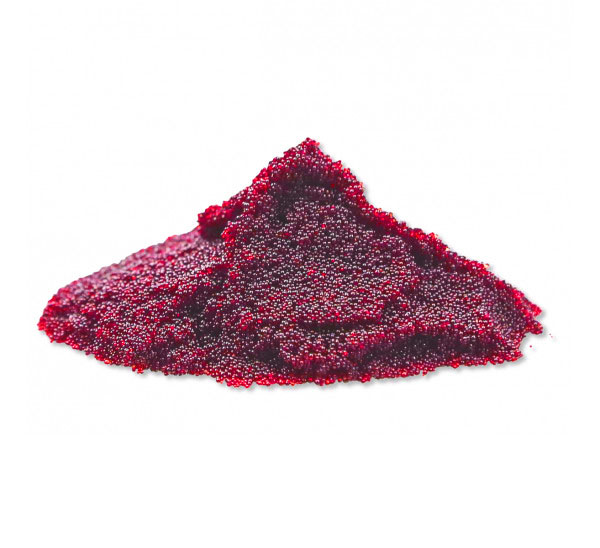
If you've recently installed or replaced ion exchange resins in your water softening or purification system, you might notice an unexpected whiff—perhaps a faint fishy note or a subtle chemical tang. Rest assured, this is a common occurrence with anion and cation resins and rarely signals a problem with your water quality or health. In fact, most odours dissipate quickly with simple rinsing, leaving you with the pure, odour-free water your system is designed to deliver.
In this comprehensive guide, optimised for searches like ion exchange resin smell, anion resin fishy odour, and water softener resin odour causes, we'll explore the potential smells associated with these essential components, uncover why they happen, and explain why they're generally nothing to worry about. Whether you're maintaining a domestic water softener or an industrial demineralisation setup, understanding these nuances empowers you to enjoy optimal performance without concern. At Osmotics, our premium resins for water treatment are selected for minimal initial odours and long-term reliability—Shop our anion and cation resins now and experience the difference.
Common Odours in Anion and Cation Resins: What You Might Notice
Ion exchange resins—cation types that capture positively charged ions like calcium and magnesium for softening, and anion types that target negatives such as chlorides and sulphates—are marvels of polymer chemistry. However, like many high-performance materials, they can carry temporary scents from production or initial use. These odours are typically mild and short-lived, often described as:
- Fishy or Ammonia-Like: A subtle, oceanic tang reminiscent of trimethylamine (TMA), commonly linked to strong base anion resins in their hydroxide form.
- Rotten Egg or Sulphur: A faint hydrogen sulphide (H₂S) whiff, more prevalent in systems handling well water or during regeneration cycles.
- Chemical or Musty: A mild solvent or earthy note from manufacturing preservatives or minor bacterial activity in stored resins.
- Metallic or Dirty Sock: An occasional iron-tinged or organic hint, especially in cation resins exposed to trace metals.
These scents are akin to the 'new car smell' in vehicles—benign byproducts that fade with ventilation. In water treatment contexts, they rarely exceed safe thresholds and pose no risk when properly managed.
Curious about high-quality options? Browse Osmotics Resins for Water Treatment – Starting from just £9.00!
Why Do Anion and Cation Resins Develop Odours? Unpacking the Causes
Odours in ion exchange resins stem from their sophisticated composition—cross-linked polystyrene beads functionalised with charged groups. While these enable efficient ion swapping, they can inadvertently release trace volatiles under certain conditions. Here's a breakdown optimised for cation resin smell causes and anion resin odour reasons:
| Resin Type | Potential Odour | Primary Cause | Why It Occurs | Cause for Concern? |
|---|---|---|---|---|
| Anion Resins | Fishy/Ammonia (TMA) | Amino group release | During hydroxide regeneration or from manufacturing stabilisers; slow degradation at high pH can liberate amines, but this is minimal and self-limiting. | No—harmless at low levels; rinses away in 10-20 bed volumes of water. |
| Anion Resins | Chemical/Musty | Preservatives or organics | Storage in non-sterile conditions allows minor microbial activity; common in wet-stored beads to prevent drying. | Minimal—indicates need for initial flush; no health impact post-rinse. |
| Cation Resins | Rotten Egg/Sulphur | Hydrogen Sulphide | Interaction with source water sulphides or iron bacteria during backwash; not inherent to the resin but amplified in softening cycles. | Not typically—often source water-related; disinfect if persistent, but safe after treatment. |
| Cation Resins | Metallic/Dirty Sock | Trace metal leach | Residual iron or manganese from feed water binding; occurs early in service life before full equilibration. | Low—fades with use; monitor if in potable systems, but no toxicity concerns. |
| Mixed Bed (Both) | Blended (Fishy + Chemical) | Combined leachables | Interplay during demineralisation; new mixed beds may need extended rinsing for balance. | None—standard procedure ensures purity; ideal for ultra-pure applications. |
Fundamentally, these odours arise from protective agents added during production to maintain bead integrity or from benign interactions with water chemistry. For instance, anion resins' quaternary ammonium groups can subtly off-gas TMA, a natural compound also found in seafood, while cation resins' sulphonic acid sites might mobilise H₂S from ambient sources. Environmental factors like storage humidity or pH swings play a role too, but modern resins are formulated to minimise this—especially our WRAS-approved selections at Osmotics.
Ready to upgrade? Our resins for water treatment are low-leach and ready-to-use—Shop Now & Eliminate Odours Effortlessly!
Are Resin Odours a Cause for Concern? The Reassuring Facts
It's natural to pause when a new component introduces an unfamiliar scent, but with water softener resin odour, the good news is that these are overwhelmingly benign. Trace amines or sulphides from resins don't exceed safe drinking water limits (e.g., WHO guidelines for TMA at 0.5 mg/L, far above typical leach rates), and they pose no toxicity risks—unlike persistent contaminants like heavy metals.
That said, if an odour lingers beyond initial flushing, it might hint at broader system needs: bacterial overgrowth (addressed with a bleach regen) or incompatible water chemistry (e.g., low pH exacerbating anion smells). In such cases, it's a prompt for maintenance rather than alarm—prolonging resin life and efficiency. For peace of mind, regular testing with TDS or pH kits ensures everything's on track.
At Osmotics, we prioritise transparency: Our anion and cation resins undergo rigorous quality checks to curb odours from the start, making them perfect for homes and businesses alike. No scares here—just straightforward solutions for pristine water.
How to Safely Eliminate and Prevent Resin Odours: A Simple Guide
Addressing anion resin fishy odour or similar issues is straightforward, often resolving in a single session. Follow this step-by-step approach for cation and anion alike:
- Initial Rinse: Backwash with 5-10 bed volumes of dechlorinated water at neutral pH to flush manufacturing residues—expect the odour to peak then fade.
- Regeneration Cycle: For anions, use a mild caustic soda solution; for cations, brine. This equilibrates the beads and disperses volatiles.
- Disinfection if Needed: Add 1/2 cup household bleach to the brine tank, regen twice, then rinse thoroughly—effective against bacterial contributors without harming the resin.
- Preventive Measures: Store dry or in approved solutions; maintain system pH between 6-9; regen monthly to keep beads fresh.
- Monitor & Test: Sniff-test post-install; use affordable kits to verify no ongoing issues.
These steps not only banish smells but enhance performance, extending resin lifespan by years.
Frequently Asked Questions About Ion Exchange Resin Odours
No—it's typically TMA from functional groups, safe and rinses out quickly; low-odour variants are available if preferred.
Often H₂S from source water or bacteria; a disinfect cycle resolves it—common and easily fixed.
Usually 1-2 flushes; persistent scents warrant a check, but they're rarely indicative of failure.
Temporarily yes, but post-rinse, your system delivers neutral, pure water—ideal for drinking or appliances.
Most new ones have mild ones, but premium mixed beds like ours minimise them from the outset.
Ready to Refresh Your System?
Don't let a fleeting scent deter you from superior water quality—equip your setup with odour-minimised resins for water treatment today. Click below to browse and transform your filtration.
Embrace Resin Performance Without the Worry
Odours in anion and cation resins are a normal, fleeting quirk of their chemistry—far from a red flag, they're easily managed for lasting clarity and efficiency. By choosing quality products and routine care, you'll enjoy the full benefits of ion exchange without a second thought. At Osmotics, our commitment to reliable, low-impact resins ensures your water stays fresh and your peace of mind intact.
